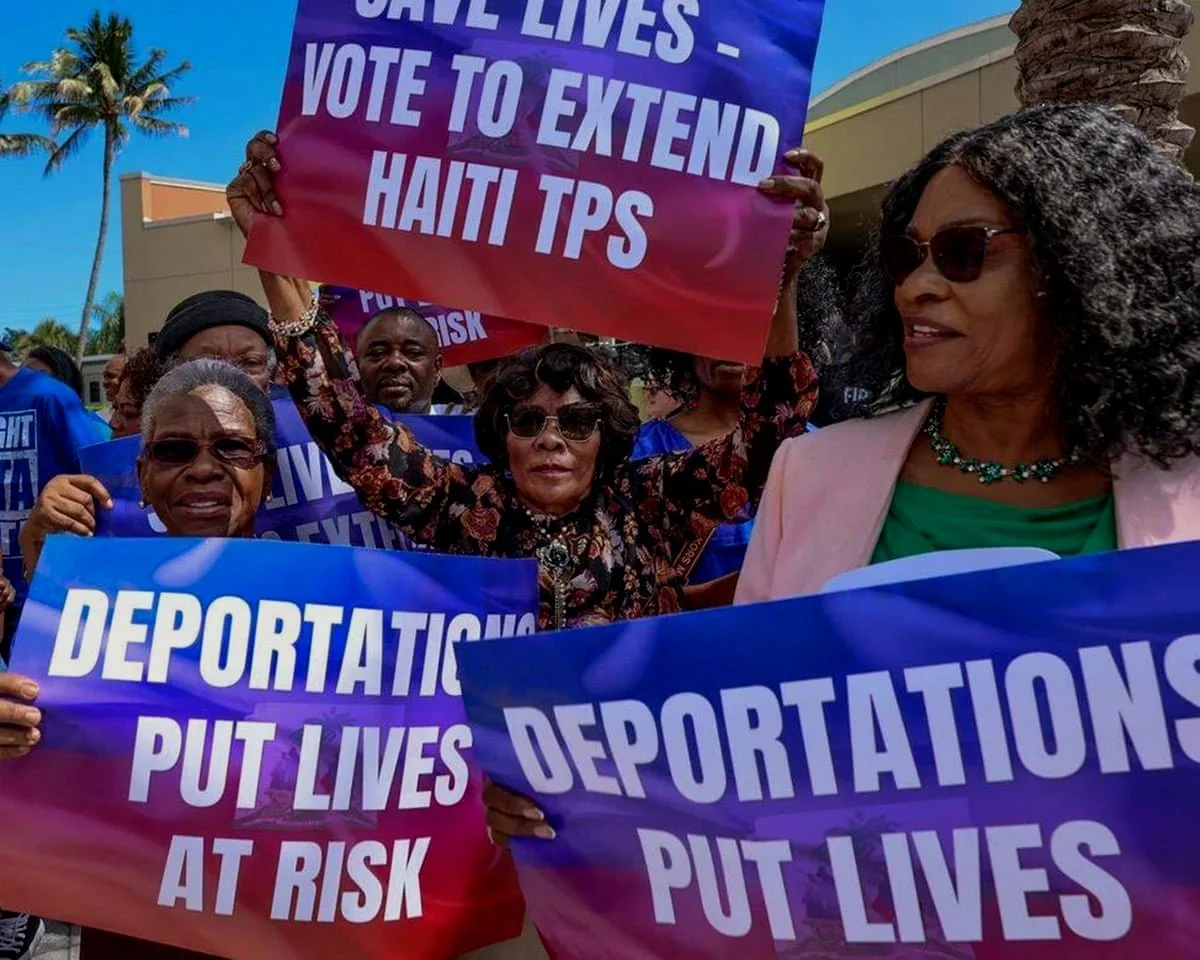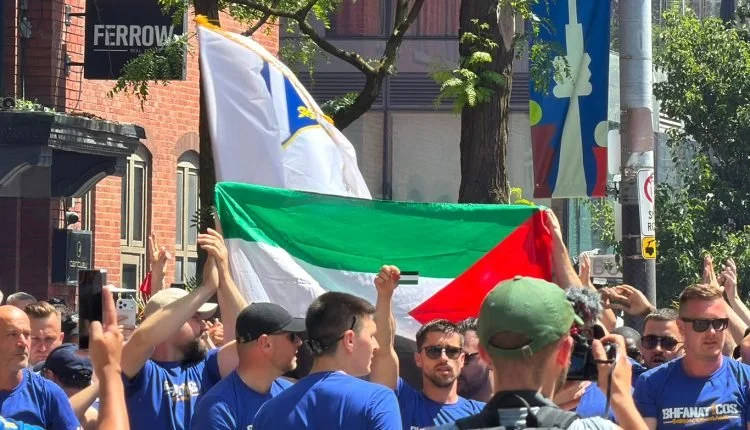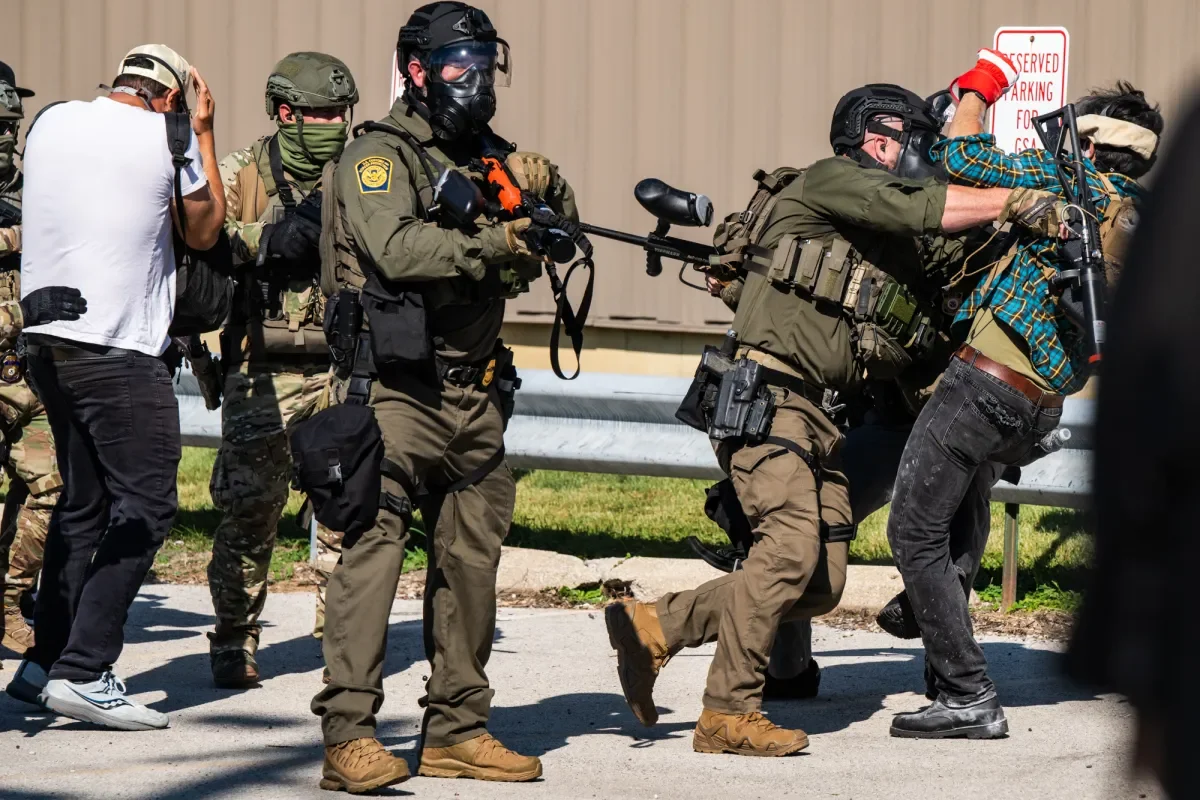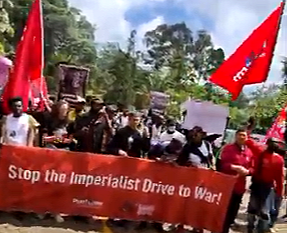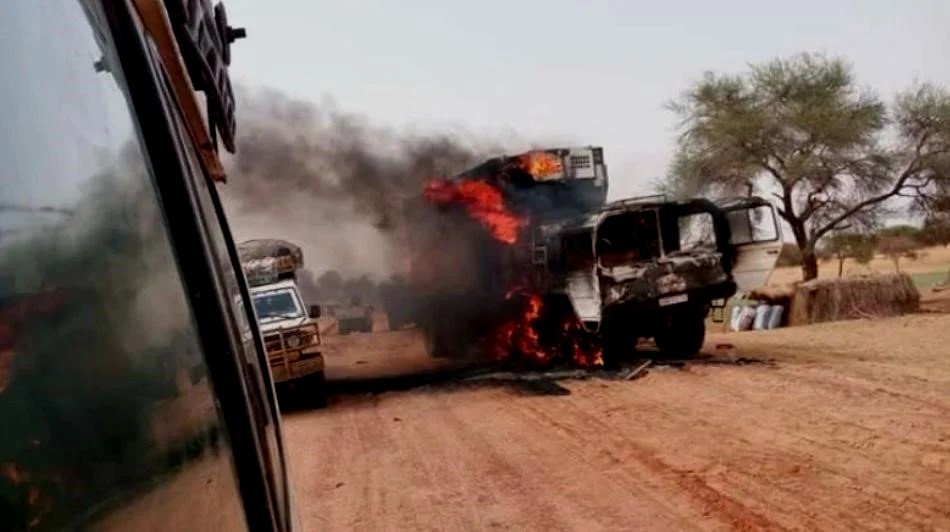
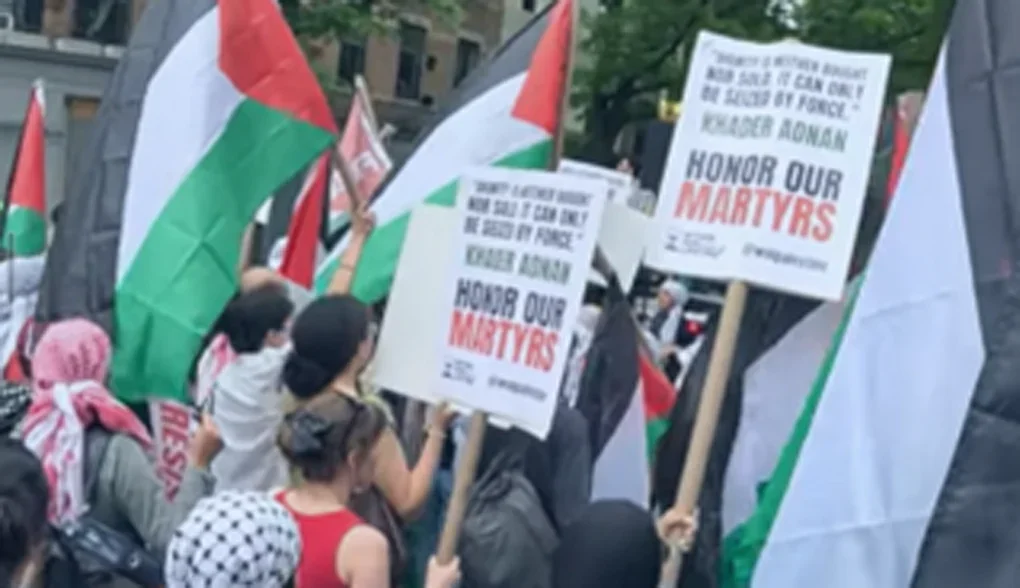
Oct 10, 2026 – Today, organizations and people of conscience take to the streets for the “March for Palestine: For the Living, the Martyrs, and the Land,” called by Palestinian Youth Movement. Three years after Al Aqsa Flood and active genocide in Gaza, we understand the continued struggle to Free Palestine from zionist occupation and oppression is inseparable from the broader fight against global systems of oppression. What we have witnessed in Gaza is a vivid expression of a worldwide structure of white supremacist and imperialist domination that relies on unrestrained state and settler terror to extract value from colonized and oppressed peoples, working classes, and nations. From the Israeli Occupation Forces (IOF) in Gaza to imperialist mercenaries on the African continent to to the militarized police forces in colonized communities within the United States, oftentimes trained with the IOF through the Deadly Exchange Program, the machinery of repression is one and the same. If we understand the United States as a settler project, then its global expansion can only reproduce systems of dominance and repression everywhere it reaches.
While BAP unequivocally condemns the zionist entity (Israel)’s decades-long barbarism and fully supports the Palestinian people’s right to resist occupation, it is equally important to continue to mobilize and organize and move our people to a coherent understanding that decolonization and self-determination are not abstract demands. They are central to the realization of People(s)-Centered Human Rights in a material sense. As we have stated previously, “the BAP views the Al-Aqsa Flood as a legitimate resistance operation by the besieged Palestinians – the only party with an internationally recognized right of resistance. We support Palestinian resistance against the violent military domination by white supremacist imperialism and colonialism that began, first in the form of British colonialism, and continues in the form of zionism.”
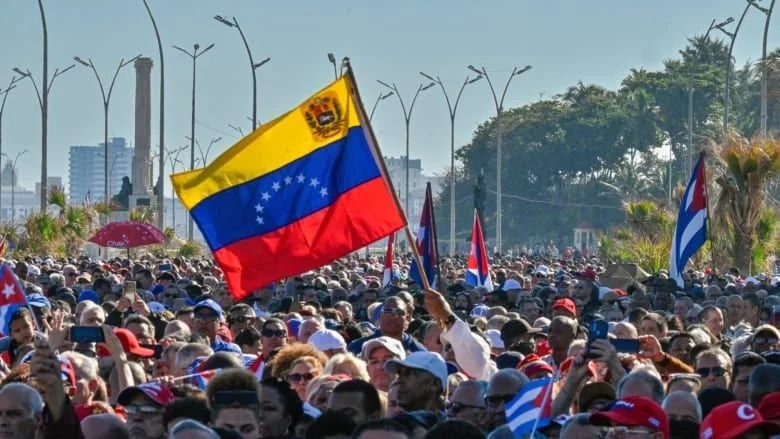
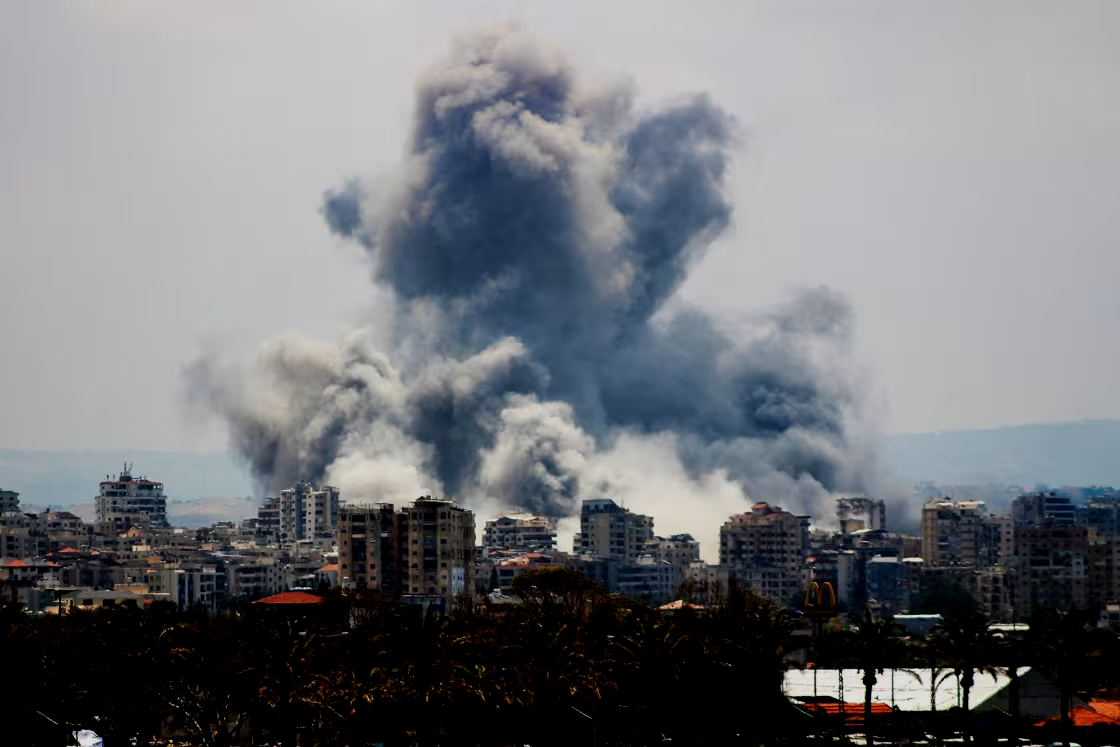
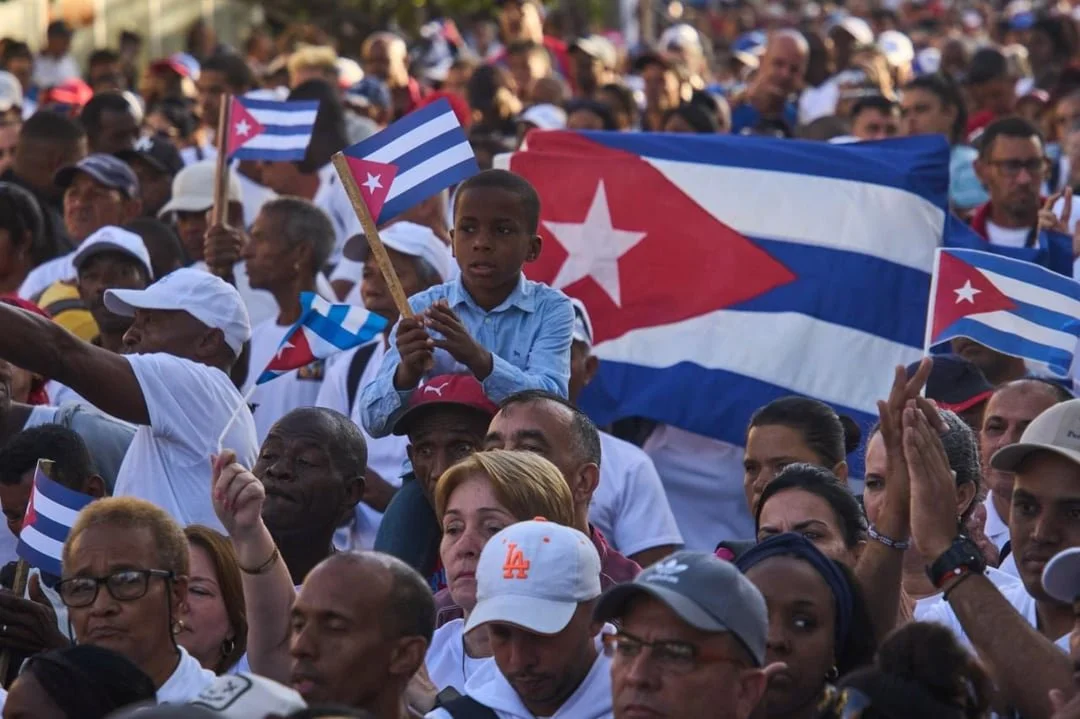
As we pass the 3-year mark since the Al Aqsa Flood, we remain clear that Palestine’s fight is the fight of all oppressed peoples against the U.S./EU/NATO axis of domination. The State of Israel and the U.S. have for three years waged a barbaric genocide in Palestine with tandem assaults on Lebanon and Yemen; the U.S.-zionist collaboration continues attacking Iran and its civilian infrastructure (alongside a decades-old sanctions regime) in an unprovoked war to destabilize and control the region as it tries to stave off inevitable imperialist decline geopolitically; and the U.S. and its “Western” allies are deepening the genocidal siege and blockade against the Cuban people, with no material opposition from the so-called international community.
These are not separate wars against colonized and oppressed people and national sovereignty, but different prongs of the same war waged by the United States to uphold its hegemony. This is the reality of U.S. imperialism, and as such, we re-ground in an anti-imperialist approach to disrupt, challenge, and ultimately defeat the global systems of oppression.
The Palestinian Resistance in Gaza, as well as in the West Bank and East Jerusalem, in their heroic and historic actions have unmasked the “Western liberal order” for what it has always been, a structure of degradation, war, and genocide – based in the exploitation and domination of the masses of the world’s people. They have shown all of humanity that while resistance comes with a cost, within this global imperialist system, it is the only path to self-determination, human dignity, and collective liberation. This is why we continue to organize in defense of our shared anti-colonial struggle.
Today, and over the next month, we encourage radical and anti-imperialist forces throughout North America to review the Solidarity Campaign Against U.S. War & Empire’s joint statement and calendar of actions to guide these collective actions.:
Joint Statement: https://bit.ly/jointstatementUNGA
Calendar of anti-war actions: https://bit.ly/sept-nov-actions-calendar
Long Live the Resistance!
No Compromise No Retreat!