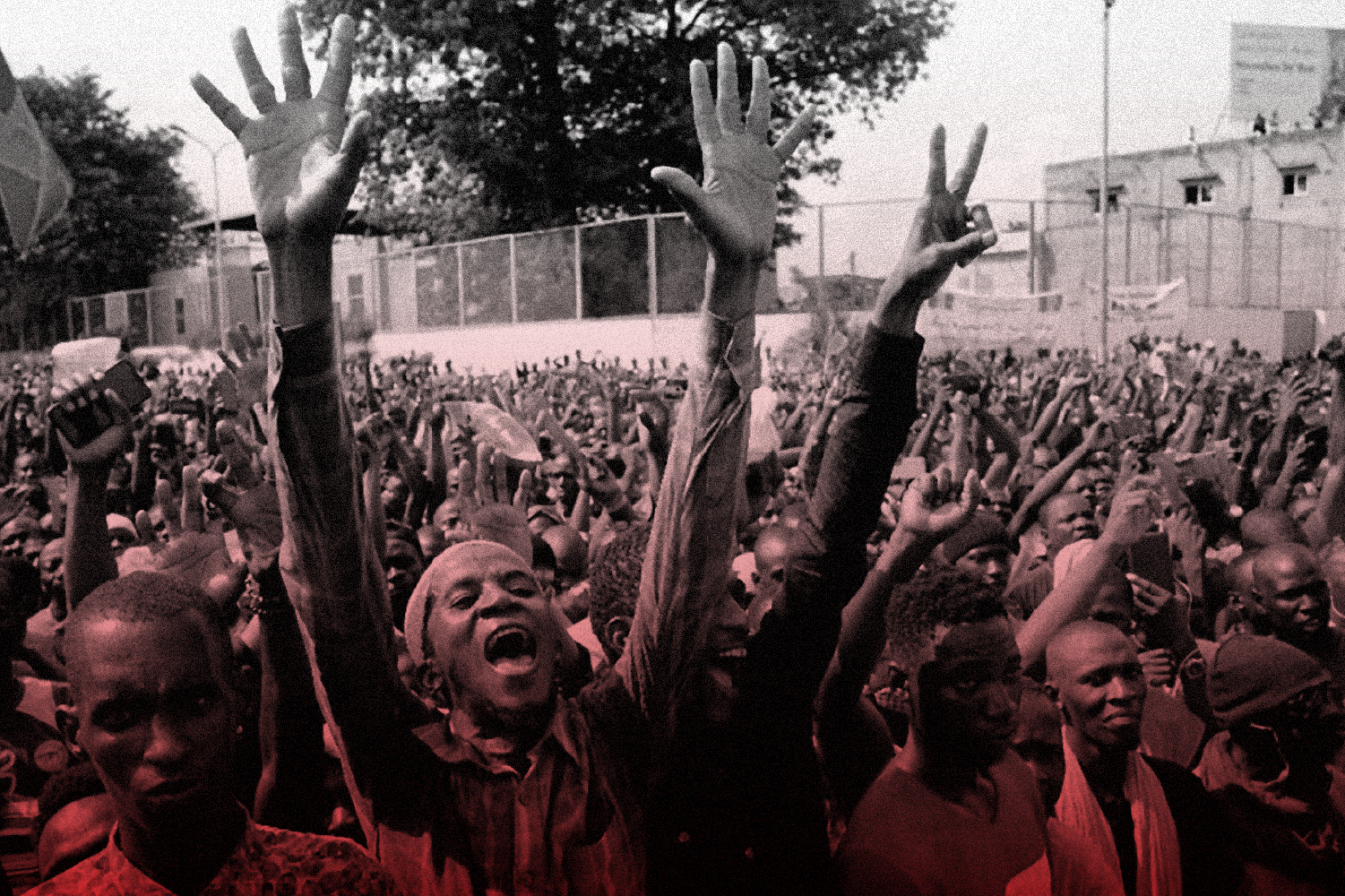
Colombia’s Military Allegedly Aiding Armed Civilians and Vandals

Colombia’s Military Allegedly Aiding Armed Civilians and Vandals

Originally published in Colombia Reports by Adriaan Alsema, May 19, 2021

Evidence indicating that Colombia’s military is taking part in violence and vandalism to justify violent crackdowns on anti-government protests is further isolating President Ivan Duque.

A video showing soldiers with armed civilians in the city of Yumbo, where protests turned violent on Sunday, was met with indignation from Valle del Cauca Governor Clara Luz Roldan.

Yumbo Mayor John Jairo Santamaria expressed fury with the government of President Ivan Duque on Sunday after he was forced to flee his own city.

The violence in Yumbo left at least one person dead and dozens injured, and incinerated the city hall, a local petrol plant and at least two gas stations.

Embattled Defense Minister Diego Molano said anti-government protesters were behind the deadly violence, but was contradicted by locals who said police were responsible for incinerating the plant.

The video of the military colluding with rioters adds credibility to the locals’ claim and further eroded the credibility of Molano, who was already facing a motion of no confidence.

Tengo mucha, pero mucha indignación al ver este video

¿Por qué hay hombres armados al lado de miembros de @Col_Ejercito en #Yumbo?

!!Por qué razón estos soldados no protegen a los ciudadanos y a la Alcaldía de Yumbo!! pic.twitter.com/Cq24WG3spa

— Clara Luz Roldán González (@ClaraLuzRoldan) May 18, 2021

According to the opposition, the defense minister is responsible for more than 2,000 alleged cases of police brutality and the deaths of more than 50 people during three weeks of protests.

The police chief of Cali resigned on Monday after evidence that police aided armed civilians who opened fire on native Colombians protesters who were on their way to the capital of Valle del Cauca.

The president has come under international criticism over his response to national strikes and the subsequent protests that have largely been peaceful.

Duque, Molano and the commanders of the National Police and the National Army were charged with crimes against humanity before the International Criminal Court last week.

Ignoring calls for talks, the president ordered the “maximum deployment” of the security forces, claiming that “criminal interests” were behind roadblocks that have been set up throughout Colombia.

Strike leaders called for a new national strike for Wednesday, a week after protesters virtually took control over all Colombia’s major cities in rejection of police brutality.

Photo credit: Twitter

Ajamu Baraka + Charo Mina Rojas on Colombia Struggle

Ajamu Baraka + Charo Mina Rojas on Colombia Struggle

Black Alliance for Peace (BAP) National Organizer Ajamu Baraka and Afro-Colombian human-rights defender Charo Mina Rojas, a leader in BAP affiliate organization Proceso de Comunidades Negras (PCN, or Black Communities Process), lay the background for and discuss the contradictions in the Colombia struggle, how the corporate media covers it, and how Global North leftists should relate to it.

Learn more about BAP's work on Colombia.

The United National Antiwar Coalition (UNAC) organized this webinar on May 8, 2021. Watch the whole webinar here.

AfroResistance Stands in Solidarity with the Black Community of Colombia

AfroResistance Stands in Solidarity with the Black Community of Colombia

For Immediate Release
Para publicación inmediata
Para divulgação imediata


Contact/Contacto/Contato
Elida De Aquino (Coordinadora de Comunicaciones)
elida@afroresistance.org

AfroResistance Stands in Solidarity with the Black Community of Colombia
AfroResistance se solidariza con la Comunidad Negra de Colombia
AfroResistance se solidariza com a Comunidade Negra da Colômbia

May 4, 2021—After a mass strike and mass mobilizations that began on April 28th due to a proposed tax reform, the Colombian government has lashed out with a military styled repression against the millions of protestors currently in the streets. The intention of the repression is simple, to drown and silence the collective demands. This criminal action has led to at least 37 murdered people by armed forces, over one thousand injured including life-altering eye injuries, and at least 10 reported gender based violence, including sexual violence. It also included over 500 detained and multiple aggressions against human rights defenders and observers and journalists. According to reports from Campaña Defender la Libertad Asunto de Todas.

“These manifestations are a just and collective response that many groups including Black groups throughout Colombia have been for decades organizing around, including structural racism, economic injustice, gender inequality, and environmental racism to name a few issues. These issues did not start on April 28th, or during the still existing COVID-19 pandemic. These issues are historical and have been exacerbated due to the pandemic” Says Janvieve Williams Comrie, Executive Director of AfroResistance.

The government has been militarizing several cities in the country, turning the main streets, where women, children and families frequent, into highly dangerous war zones. The deployment of the Mobile Anti-Riot Squad (ESMAD), which is the riot control unit of the Colombian National Police specialized in preventing and/or controlling riots, has resulted in a series of deaths, injuries and disappearances. The Colombian military mechanism has publicly received the support of state officials, where, in the name of defending their integrity and material goods, they use their weapons against protesters, thereby justifying the abuse of force. For this reason, we urge the international community and other human rights organizations to take immediate action to defend the human rights of the people in Colombia and prevent the number of victims from continuing to increase; We also demand that the respective investigations of the various cases that have been presented be carried out in a transparent and immediate manner, avoiding impunity and demanding guarantees for the exercise of social protest in a peaceful and safe manner.

It is important to highlight the role that Black Colombian women have historically played in the struggle against oppression, death and extermination in Colombia. In Colombia, gender violence, is one of the most visible and least heard problems by the government. The rights of Women and Girls have been violated both inside and outside the protests, in urban areas, but also in peripheral (rural) areas where many cases have remained anonymous or have simply become a number. In Colombia, according to the organization, Somos Defensores, during the first quarter of the current year, 26% of the attacks by the security forces occurred against women, many of these cases have not yet been clarified. From AfroResistance, we reiterate once again our support for all Black Women and Girls and the call to respect and preserve their rights.

AfroResistance stands in solidarity with Colombian Black, Women, Trans, Youth, Indigenous, Human Rights and all Social Justice organizations in their call for international organizations and International Human Rights Mechanisms to accompany their demand to mobilize, to protect their lives and preserve their rights and dignity.

It is important to also add that 2012, Colombia signed a bilateral agreement with Haiti to help train and professionalize Haitian police officers.

The mission statement for AfroResistance, is to educate and organize for human rights, democracy and racial justice throughout the Americas. www.afroresistance.org

AfroResistance is a Black Alliance for Peace member organization.

———

ESPAÑOL

AfroResistencia se solidariza con la comunidad negra en Colombia

4 de Mayo 2021. Luego de las movilizaciones masivas que comenzaron el pasado 28 de abril en Colombia, debido a una propuesta de reforma tributaria, el gobierno colombiano ha arremetido con una represión de estilo militar contra los millones de manifestantes que se concentran actualmente en las calles. La intención de la represión es clara, ahogar, atemorizar y silenciar las demandas colectivas. Esta acción criminal ha provocado al menos 37 personas asesinadas por las fuerzas armadas, más de mil heridos, incluidas lesiones oculares con alteraciones de por vida, y al menos 10 denunciados de violencia de género, incluida la violencia sexual. También incluye más de 500 detenidos y múltiples agresiones contra defensores y observadores de derechos humanos y periodistas. Según informes de la Campaña Defender la Libertad Asunto de Todas.

“Estas manifestaciones son una respuesta justa y colectiva en torno a la cual muchos grupos en Colombia, incluidos los negros, se han estado organizando durante décadas visibilizando problematicas incluido el racismo estructural, la injusticia económica, la desigualdad de género y el racismo ambiental, por nombrar algunas. Estos problemas no comenzaron el 28 de abril ni durante la pandemia de COVID-19 aún existente; son históricos y se han agravado debido a la pandemia ”, dice Janvieve Williams Comrie, directora ejecutiva de AfroResistance.

El gobierno ha venido militarizando varias ciudades del país, convirtiendo las principales calles, donde las mujeres, los niños y las familias frecuentan, en zonas de guerra de alta peligrosidad.

El despliegue del Escuadrón Móvil Antidisturbios (ESMAD), que es la unidad de control de disturbios de la Policía Nacional de Colombia especializada en prevenir y / o controlar disturbios, ha dejado como resultado una serie de muertes, personas heridas y desapariciones.

El mecanismo militar ha recibido públicamente el apoyo de funcionarios del estado, donde en nombre de la defensa de su integridad y los bienes materiales, hagan uso de sus armas contra manifestantes justificando con esto el abuso de la fuerza. Por esto instamos a la comunidad internacional y demás organismos de derechos humanos a tomar acciones inmediatas para defender los derechos humanos de la gente en Colombia y evitar que las cifras de víctimas continúen en aumento; así como también exigimos se adelanten de manera transparente e inmediata las respectivas investigaciones de los diversos casos que se han presentado, evitando la impunidad y exigiendo garantías para el ejercicio de la protesta social de manera pacífica y segura.

Es importante destacar el papel que históricamente ha venido desempeñando la mujer de manera activa, en sus luchas contra las fuerzas de la opresión, la muerte y el exterminio, siendo esta, otra de las razones de la marcha, ya que la violencia de género, es uno de los problemas más visibles y menos escuchados por parte del gobierno. Los derechos Mujeres y niñas vienen siendo vulnerados dentro y fuera de las protestas, en áreas urbanas pero también en áreas periféricas (rurales) donde muchos casos han quedado en el anonimato o simplemente pasan a ser una cifra más. De acuerdo con la organización, Somos Defensores, en Colombia durante el primer trimestre del año en curso, el 26% de las agresiones por parte de la fuerza pública ocurrió contra mujeres, y muchos de esos casos aún no han sido esclarecidos. Desde AfroResistencia, reiteramos una vez más nuestro apoyo a nuestras hermanas y el llamado a respetar y preservar sus derechos.

AfroResistance se solidariza con las organizaciones Negras, organizaciones de Mujeres, organizaciones Trans, organizaciones juveniles, Indígenas, organizaciones de Derechos Humanos y de justicia social Colombianas en su llamado a que las organizaciones internacionales y de Mecanismos Internacionales de Derechos Humanos acompañen su demanda de movilizarse, proteger sus vidas y preservar sus derechos y dignidad.

Es importante agregar también que en 2012 Colombia firmó un acuerdo bilateral con Haití para ayudar a capacitar y profesionalizar a los policías haitianos.

La misión de AfroResistance es educar y organizar por los derechos humanos, la democracia y la justicia racial en las Américas. www.afroresistance.org

———

PORTUGUÊS

AfroResistencia se solidariza com a comunidade negra da Colômbia

4 de maio. Após as massivas mobilizações iniciadas devido a uma proposta de reforma tributária em 28 de abril na Colômbia, o governo colombiano atacou com repressão militar milhões de manifestantes que atualmente estão concentrados nas ruas. A intenção da repressão é clara: afogar, amedrontar e silenciar as demandas coletivas. Esta ação criminal já causou pelo menos 37 pessoas mortas pelas forças armadas, mais de mil feridos, incluindo ferimentos nos olhos com impactos para o resto da vida e pelo menos 10 denúncias de violência de gênero, incluindo violência sexual. Também inclui mais de 500 detidos e vários ataques contra defensores de direitos humanos, observadores e jornalistas. De acordo com relatórios da Campaign Defend Liberty Affair of All.

“Essas manifestações são uma resposta justa e coletiva em torno do qual muitos grupos, incluindo pessoas negras na Colômbia, vem se organizando durante décadas, incluindo o racismo estrutural, a injustiça econômica, a desigualdade de gênero e o racismo ambiental, para mencionar alguns problemas. Esses problemas não começaram no dia 28 de abril ou durante a pandemia de COVID-19 ainda existente. Esses problemas são históricos e foram agravados pela pandemia”, disse Janvieve Williams Comrie, Diretora Executiva da AfroResistance.

O governo tem militarizado várias cidades do país, transformando as principais ruas, frequentadas por mulheres, crianças e famílias, em zonas de guerra altamente perigosas. A implantação do Esquadrão Móvel Antimotim (ESMAD), unidade de controle de distúrbios da Polícia Nacional da Colômbia especializada na prevenção e/ou controle de rebeliões, resultou em uma série de mortes, feridos e desaparecimentos.

O mecanismo militar recebeu publicamente o apoio de funcionários do Estado, onde em nome da defesa de sua integridade e bens materiais, usam suas armas contra os manifestantes, justificando o uso excessivo da força. Por isso, pedimos à comunidade internacional e outras organizações de direitos humanos que tomem medidas imediatas para defender os direitos humanos do povo na Colômbia e evitar que o número de vítimas continue a aumentar. Exigimos também que as respectivas investigações dos diversos casos apresentados sejam efetuadas de forma transparente e imediata, evitando a impunidade e exigindo garantias para o exercício do protesto social de forma pacífica e segura.

É importante destacar o papel que as mulheres historicamente vêm desempenhando ativamente em suas lutas contra as forças de opressão, morte e extermínio, sendo este mais um motivo da marcha, já que a violência de gênero é um dos problemas mais visíveis e menos ouvidos pelo governo. Os direitos de nossas mulheres e meninas foram violados dentro e fora dos protestos, em áreas urbanas, mas também em áreas periféricas (rurais) onde muitos casos permaneceram anônimos ou simplesmente se tornaram mais uma estatística. Segundo a organização Somos Defensores, na Colômbia durante o primeiro trimestre deste ano, 26% dos ataques das forças de segurança ocorreram contra mulheres e muitos desses casos ainda não foram esclarecidos. Nos da AfroResistencia, reiteramos mais uma vez nosso apoio a todas as mulheres e meninas negras e nosso apelo ao respeito e preservação de seus direitos.

AfroResistance se solidariza com organizações negras, organizações femininas, organizações trans, organizações juvenis, povos indígenas e organizações colombianas de direitos humanos e justiça social em seu apelo para que as organizações internacionais e os mecanismos internacionais de direitos humanos acompanhem sua demanda de mobilização, proteção e preservação seus direitos e dignidade.

Também é importante acrescentar que em 2012 a Colômbia assinou um acordo bilateral com o Haiti para ajudar a treinar e profissionalizar os policiais haitianos.

A missão do AfroResistance é educar e organizar os direitos humanos, a democracia e a justiça racial em todos os países das Américas. www.afroresistance.org

Banner photo: Proceso Comunidades de Negras (PCN or Black Communities Process, an African organization in Colombia)

Joint Press Release: Demand the Biden Administration End Its Support for the Brutal Moïse Regime in Haiti

Joint Press Release: Demand the Biden Administration End Its Support for the Brutal Moïse Regime in Haiti

For immediate release

Contacts:

Ajamu Baraka Black Alliance for Peace, 202-643-1136.

Margaret Flowers – Popular Resistance, info@PopularResistance.org, 410-591-0892.

Photo: Click here for photos by Professor Danny Shaw who is currently in Haiti.

Nearly 800 Organizations and Individuals in the United States Demand the Biden Administration End Its Support for the Brutal Moïse Regime in Haiti.

United States - Today, February 24, 72 organizations and 700 individuals published an open letter calling for the Biden administration to end its illegal and destructive intervention in Haiti. While Joe Biden and the Democrats condemned the Trump forces for not respecting the results of the U.S. election, they are supporting Jovenel Moïse’s refusal to leave office after his term as president ended on February 7, 2021. Moïse has unleashed violent gangs, the police and the military against protesters who are demanding that he respect the Constitution and step down.

“President Biden claims to care about racial equity but his actions in Haiti show the emptiness of that rhetoric,” said Ajamu Baraka of the Black Alliance for Peace. “For centuries now, the United States has employed force to dominate Haiti, the first Black Republic that was established in 1804 after the defeat of French and Spanish colonizers. President Biden has an opportunity to demonstrate his commitment to democracy and Black self-determination by ending support for the Moïse regime and denouncing the current violence.”

The past two presidents of Haiti, Michel Martelly and Jovenel Moïse, were hand-picked and forced into office by the United States during the Obama administration against the will of the Haitian people. Moïse is currently ruling by decree after dismissing most of the legislators and refusing to hold elections. With the backing of the Core Group, composed of the United States, Canada, Brazil, France, Germany, Spain, the European Union and the United Nations, Moïse is trying to push a new constitution through using a referendum in April. The new constitution being written by members of the Core Group and without any real participation of the Haitian people would grant greater power to the executive office.

Since February 7, the rogue Moïse government has launched a brutal crackdown on all dissent resulting in home invasions, arrests, the firing of Supreme Court judges and a police inspector general, attacks on the media and the use of chemical agents and live ammunition to disperse protests, as documented by the U. S. Human Rights Clinics.

"The current situation in Haiti is critical," stated Marleine Bastien, the Executive Director of FANM In Action and a leading voice in South Florida's Haitian community. "The Superior Council of Haiti's Judiciary, The Haitian Bar Federation, and credible civil society organizations inside Haiti and their diaspora allies agree that President Moise’s term has in fact ended.  It is time for President Biden to keep his promise and respect the democratic rights and  self-determination of the Haitian people."

Here is the open letter:

On February 7, 2021, Jovenel Moïse’s term as president of Haiti ended - but with the support of the Biden administration he is refusing to leave office. This has created an urgent crisis in the country. A mass movement, reminiscent of the 1986 popular movement that overthrew the brutal U.S.-sponsored dictatorship of Jean-Claude “Baby Doc” Duvalier, is demanding Moïse step down. We are alarmed by the abundance of evidence of severe human rights violations by the Moïse regime to quell the protests.

One of the main calls from the mobilizations of hundreds of thousands in the streets of Port-au-Prince and across Haiti has been for the United States, United Nations and the Organization of American States to stop their interference. These bodies, as part of the “Core Group” of imperialist nations and institutions targeting Haiti, are currently pushing their rewrite of the Haitian Constitution through a referendum on April 25.

These organizations have a long history of neocolonial intervention in Haiti and the region. Ever since the democratically elected president Jean Bertrand Aristide was overthrown for a second time by a U.S.-sponsored coup in 2004, Haiti has been occupied by a United Nations force that, at its height, deployed 14,000 troops and personnel. This occupation has changed form over the years (from MINUSTAH to BINUH), but it is ongoing.

The U.S. government has consistently stood as a barrier to popular democracy in the Americas. The 2009 coup in Honduras; the 2019 coup in Bolivia; and the ongoing blockades of Nicaragua, Cuba and Venezuela are but several examples of the U.S.’s poor record on human rights and lack of respect for sovereignty in the region. By its own admission, the State Department “works closely with the OAS, UN, the Caribbean Community (CARICOM), and individual countries to advance its policy goals in Haiti.” Under the guise of fighting drug trafficking, the U.S. continues to train and fund the Haitian National Police.

The U.S. establishment spin doctors seemingly live in an alternate universe, claiming, "The remarkable lack of popular response to calls for mass protests in recent weeks indicates that Haitian people are tired of endless lockdowns and squabbling over power." The reality is quite the opposite: the Haitian people are united in their call for a peaceful transition to democracy.

We express our solidarity with the Haitian people and our support for their rights to democracy and self-determination. We join our voices to the demands of the Haitian people who are calling for the following:

We demand that Jovenel Moïse

  • Immediately step down.

We demand that the Biden Administration:

  • Withdraw financial support for the illegal constitutional referendum and Moïse dictatorship;

  • Respect the will of the vast majority of the people demanding democracy and Haitian self-determination

  • Reaffirm support for the right to peaceful protest;

  • Immediately cease all U.S. financial and military support to Haiti's security forces

  • Condemn the recent violence against protesters and journalists; and

  • Demand the immediate dismantlement of all paramilitary forces in Haiti and the disarmament of gangs carrying out wanton violence against the popular movement.

The whole world is watching!

Signatories

Organizations:

Black Alliance for Peace
Popular Resistance
Alliance for Global Justice
Anticonquista
Black Alliance for Peace Solidarity Network
CODEPINK
Council on Hemispheric Affairs
International Action Center
National Lawyers Guild
United National Antiwar Coalition

US Peace Council
Veterans For Peace
World Beyond War
Acción Afro-Dominicana
Agenda Solidaridad, Repùblica Dominicana
Australia Solidarity with Latin America
Baltimore Peace Action
Big Apple Coffee Party
Chicago ALBA Solidarity
Coalición de Derechos Humanos
coasap
Diáspora en Acción
Dorothy Day Catholic Worker
Ekta Collective
Environmentalists Against War
Forum of Sao Paulo DC/MD/VA
Friends of Latin America
FURIE - Feminist Uprising to Resist Inequality and Exploitation
Global Coalition for Peace
Global Network Against Weapons & Nuclear Power in Space
Hilton Head for Peace
International Committee for Peace, Justice and Dignity
Latin America Solidarity Coalition of Western Massachusetts
LynneStewart.org
Maine War Tax Resistance Resource Center
MLK Coalition of Greater Los Angeles
Micronesian Political Journal
Mississippi Workers’ Center for Human Rights
New Abolitionist Movement
#NJAntiWarAgenda
NJ State Industrial Union Council
New Progressive Alliance
Nodutdol
Northern Virginians for Peace and Justice
NYC Jericho Movement
Occupy Bergen County
Ode to Earth/Echoes of Silence
Pacifica Peace People
Pan Left Productions
PARC | Politics Art Roots Culture
Peace Task Force
Priority Africa Network
Protect Our Activists
Pueblo Sin Fronteras
Roots Action
Samidoun Palestinian Prisoner Solidarity Network
Seattle Anti-War Coalition
Show Up! America
Troika Collective
US Hands Off Cuba and Venezuela South Florida
Veterans For Peace Chapter 92 Seattle, President
Virginia Defenders for Freedom, Justice & Equality
White Rabbit Grove RDNA
Women Against Military Madness
Women’s Institute for Freedom of the Press
Yoga For Peace, Justice, Harmony With the Planet
Broome Tioga Green Party
Democratic World Federalists
Green Party of Monmouth County, NJ
Green Party of New Jersey
MOLHA
Workers World Party - Bay Area
Young Ecosocialists of the Green Party of the United State

Individuals

Ajamu Baraka, National Organizer, Black Alliance for Peace
Margaret Flowers, MD, Director, Popular Resistance
Bahman Azad, General Secretary, US Peace Council

Leah Bolger, World Beyond War
Renate Bridenthal, Professor
Layla Brown, Professor
Charisse Burden-Stelly, Black Alliance for Peace
Brian E. Concannon, Human Rights Lawyer
Gerry Condon, Veterans For Peace
Dr. Edwin E. Daniel, Professor Emeritus
Nicolas J S Davies, Journalist
Jackie DiSalvo, Professor
Roxanne Dunbar-Ortiz, Author
Yves Engler, Journalist
Eunice Mina Escobar, Alliance for Global Justice
Leonardo Flores, CODEPINK Latin America Campaign Coordinator
Al Glatkowski, Peace and anti-imperialist activist
Anthony Gronowicz, Professor
Chris Hedges, Author
Madelyn Hoffman, former candidate for US Senate (NJ)
Nicholas J. S. Davies, Journalist
Rev. John Long
Abby Martin, The Empire Files
Patrick McCann, Veterans For Peace
Nan McCurdy, United Methodist Missionary
Tom Neilson, Ed D
Rael Nidess, MD
Anthony O’Brien, Professor (retired)
Eve Ottenberg, Writer
George L. Pauk, MD
David Paul, Embassy Protector
Mike Prysner, The Empire Files
Victor M. Rodriguez, Emeritus Professor
Sr. Claudette Schiratti, RSM
Danny Shaw, Professor
Cindy Sheehan, Peace and Social Justice Activist
Maj. (ret.) Danny Sjursen
David Swanson, World Beyond War
Rev. James L. Swarts
Roger Waters, Musician/Activist
Colonel Ann Wright, Veterans For Peace

Alainka
Alex
Ángel
Annie
NK A.
Sarah A.
Usama Abbas
Judith anne Ackerman
L. Adams
Liz Aaronsohn
Fran Aguirre
Elizabeth Ahrens
Nia Aisha
Diane Ake
Phyllis T. Albritton
Peter Alexeas
Claire Alexander
Ellan Allen
Matthew Almonte
Wes Alvarez
Luci Amani
Louise Amyot
Ashley Anderson
Glen Anderson
Joshua Angelus
JL Angell
Tina Ann
Merriam Ansara
Ikenna Anumba
Cary Appenzeller
Phyllis Arist
B. Ross Ashley
Mohammad Amir Askari
Nzingha Assata
Kevin Atkins
Vichina Austin
Bob
Art B.
Stephen Bailey
Jean Bails
Kirk Bails
Rhamier Shaka Balagoon
Zeke Baker
Lon H Ball
Enzo Bard
Mara Bard
Karyn Barry
SandraKanela Barton
Michael Bass
Sue Bastian
MJ Baumann
Keith Bavin
Patricia Becker
Jim Becklund
Gerhard Bedding
JoAnne Beemon
Petros Bein
Lily Benavides
Christian Benjamin
Bara Berg
Steven Berge
Sister Deanna Rose von Bargen RSCJ
Nancy Bernstein
Brianna Berry
Michael Betz
J. Beverly
Barbara Biira
Jonah Blaustein
Diana Block
Elizabeth Block
Joy Bo
Pamela Bond
Michael Boone
Patrick D Bosold
Raquel Brac
Joe Nathan Bradley
Joshua Bradley
Chris Brentlinger
Tomas Bribriesco
Edward Briody
Yolanda Stern Broad, PhD
Wolfgang Bronner
David Brookbank
Francine Brown
Layla Brown
Ronald and Deidre Brown
B. Keith Brumley
John Burnett
Martha W D Bushnell
Charles Byrne
C. A.
Chris
Cora
C. S.
Gloria A Caballero
Robert Cable
Erica Caines
Chico Callman
Benita J. Campbell
Mark Cappetta
Michael Carano
Suzanne Carlson
Marilyn Carlisle
Mike Casey
Mary Cato
Yhamir Chabur
Susan Chakmakian
Stacie Charlebois
Lela Charney
Claudia Chaufan
Erica Chavez
Courtney Childs
Aimi Chinen
Jane Chischilly
Saheli Chowdhury
Jordan Cisneros
Celeste Clamage
Craig Clark
Joan Clark
Robert Clark
Jill Clark-Gollub
Joseph Clifford
David Coe
Rosemary K Coffey
Merrill Cole
Henry Cooper
Anneke Corbett
Ralph Corbo
Françoise Corgier
Megan Cornish
Gérard Couchoud
Nancy L Cowger
Caryn Cowin
Paul Cox
Michael Craig
Rose Crayton
Nellie Crick
Lauren Croom
Lawrence Crowley
Connie Curtis
Lawrence Cwik
Darian
Denise
Toni Dang
Dr. Edwin E. Daniel
Linda Day
Gwendolyn Debrow
Klef de Gregorio
Buddy Delegal
Jean Delma
Karen Deora
Marie DesJarlais
Susan Detato
Marylyn F Devlin
Carol Devoss
Maude Dews
Dorothea DiCecco
Grace Diehl
Eric Dietrich
Jackie DiSalvo
Steve Ditore
Paul Dix
Nancy Dollard
John & Sara L Donnelly
Ada Donno
Howard Druan
Lucy Duff
Helen Duffy
Luce Duguay
Joseph Dumas
Neil Dunaetz
Greg Dunkel
Chelsey Dyer
Wendy Ebersberger
Elisabeth Ecker
Ashley Edgette
Iris Edinger
Neo Ekwueme
Yoav Elinevsky
Vincent Emanuele
Ingvar Enghardt
Jared Eno
Gary Edward Erb
William Erickson
Phill Esdaille
Bernadette Evangelist
Michael W Evans
Scott T Eversole
Claudia Eyzaguirre
Michael Leslie Falk
Donald B. Fanning
Ka’ila Farrell-Smith
Mark Farris
Anjolaoluwa Fashanu
Wendy Fast
Lisa B. Feldberg
Tracy S Feldman
Priscilla Felia
Helga I. Fellay
Corey Ferguson
Linda Ferland
Doug Ferrari
Matthew Flannery
Anna Louise Fontaine
MarayAnna Foskett
Stephen Fournier
Maryann Fox
Travis Frampton
Parlo Francois
Hannah Franz
Beth Jane Freeman
Sunil Freeman
Deb Friedman
Pat Fry
Andrew Funaro
Sherrill Futrell
Lois Gagnon
Wesson Gaige
Dáigo Galvez
Joan Gannon
Elijah Gardner
Penelope Gardner
Robert Gardiner
Brendhan Garland
Jose Garza II
Ira Gerard-DiBenedetto
Mark M Giese
Laurent Gilbert, Sr.
S. Gilbertsen
Daniel Gilman
Robert Gilman
Jill Godmilow
Frances A Goff
Donald Goldhamer
Rebecca Maria Goldschmidt
Adrian Gonzalez
Guadalupe Gonzalez
Marcy Gordon
Bob Gorringe
Mark Gotvald
Jeannette Graulau
Caryn Graves
Michael Green
Linda Greene
David Greenberg
Sarah Grey
Gustavus D Griffin
Pablo Grigera
Michael Grish
Dirk Groenenberg
William Grosh
Gloria Guillo
Maya Guttman-Slater
Helgaleena H
Nolan H.
Chase Halsne
Dee Halzack
James E. Hamilton
H. Hardouf
Aliya Harris
Ian Harris
Sue Harris
Laura Hart
Nancy Hatfield
Savannah Hawkins
Ken Hayes
Navjot Heer
Maxwell Hellmann
Louis R Hellwig
Jay Henderson
Gene B. Herman
Suzanne Hesh
Elaine Hickman
Arlene Hickory
Hollis Higgins
Monica Hill
Lauri Hoagland
Sally Hobson
Virginia Hollins-Davidson
Bill Holt
Alana Horowitz Friedman
Carl A Howard
Cynthia Howard
John Huber
Lois L. Guthrie
Johnathan Huddleston
Barbara Humphrey
Gui In de Betouw
Linda Geier Ingersoll
Ital Kofi Ital
JP
Jacob
Joshua
Carolyn Jackson
Bill Jacobson
Monica James
KE Jarvis
Patrick Jean-Pierre
Stephanie Jed
Tim Jeffries
Dominic Jermano
Mauricio Jimenez
Arnold Melvin Johnson
Charles Johnson
David Johnson
Gretchen Johnson
Lorraine D. Johnson
Stephen G Johnson
Gregory Jones
Jordan Jones
Lois Jordan
Mary Lou Jorgensen-Bacher
Nakita Joseph
Robert Curtis Joy
Ana Juarbe
M. Adaline Jyurovat
Karyn
Kayla
Chris Kaihatsu
Michael Kaufman
Seymour Kellerman
John Kilcher
Harold Kimpel
Glenn Kissack
Cathy Klein
Jacqueline Knable
Susan Knotek
Chris Koston
Michael Kowalchuk
Cheryl Kozanitas
Dawn Kramer
Stefan Kreft
Gwen Krueget
Julie Kuberski
Ausra Kubilius
Miriam Kurland
Danielle Kwon
Raymond Lambert
Laura Lance
Linette Landa
Bill Lankford
Elisa Larson
Sarina Larson
Tori Lassman
Philip Latka
Kaye Lattimore
Barbara Laxon
Nydia Leaf
Stephen Leberstein
Jaci Leavitt
Kenneth Lederman
Lennon Lederman
Peter Leeftink
Kiki Legrand
Gil Leib
Dorothea Leicher
Albert Lerner
Mary Lester
Claudia Leung
Elana Levy
Loren Lewandowski
Rena Lewis
Judith Lienhard
Tami Linder
Jennifer Lipka
Christopher Lish
Stephen Liss
Guy Liston
Jonothan Logan
Dave Logsdon
Kristin Loken
Leslie Singer Lomas
Ned Long
Mark Looney
Stephanie Losse
Josephine Lowrey
Thomas Luce
Martha Lujan
Marta Lulewicz
Nancy Lyles
Priscilla Lynch
Denise Lytle
Margo
Mary
Maure
Melissa
Yvonnre M.
Calli Madrone
Marc J Mancini
Melissa Mandel
Lisa Manon
Sarah Curtis Martin
Gabriel Martinez Saldivar
Ant Massaro
Max Mastellone
Rik Masterson
Ursula Mathern
Milo Matthews
Camilo Maya
Mark Mayer
Natasha Mayers
Elise McCaffrey
Madeline B McClure
Joshua Ezra McCoy
Tynesha McCullers
Sam McFadzean
Steven McGiffen
Jo Ann McGreevy
Laura McHenry
Kevin McKaig
Alan McThredder
John Mejia
Ms. Kathryn Melton
Bob Meola
Nancy Meredith
Fran Merker
Maya Messinger
Jill Michels
James Miller
Kerby Miller
Larry Miller
Michael Miller
Gerry Milliken
Eric Mills
Virginia Mills
Mirna Miranda
Kurt Miron
Susan Mirsky
Jonathan Mitchell
Kristin Mitchell
Feroze Mithiborwala
Zabrina Mohamed
David Monsees
Jean Mont-Eton
Hugh Moore
Eileen Moran
Kent Mori
Gilda Morkert
Samuel Morningstar
Ulises Moscoso
Gail S. Mott
Michael J. Motta
Dr. Thomas Muhr
Harriet Mullaney
Lauren Murdock
Luci Murphy
Margaret Murphy
Randolph Murray
Nas
Nate
Nicholas
Jonathan T. Nack
Russell Nadel
Adam Nation
Wayne Nealis
Nancy Wallace Nelson
Victor Nepomnyashchy
Immanuel Ness
John Nettleton
Steve Neubeck
Jesse Neumann
Elizabeth Neuse
Marcia Newfield
David Nichols
Joan Nicholson
Kathy Nickodemus
Kris Niznik
June Noble
Adam P Nolan
Brian Noyes Pulling, M.Div.
Maribel Núñez
Sheena O.
David Oberweiser Jr
Sinéad O'Brien
Meaveen O'Connor
Stefan Olhede
Corey E. Olsen
Jon D. Olsen
Cyril Joseph O'Reilly
Elizabeth Orem
Edward O'Rourke, Jr
Tunde Osazua
Paige
PJ
Lucy Pagoada
Lorna Paisley
Timothea Papas
Alan Papscun
Rashid Patch
Shirley Pate
Richard Pathak
Lesley Patton
Jill Paulus
Sven Erik Pedersen
Andrea Perdue
Mary Anne Perrone
JoAnn Peters
Annie Petrokubi
Terry Phelan
Letty Phillips
Barbara Phinney
Felton Pierre
Joe Piette
Mike Pincus Paige
Cecile Pineda
Catherine Podojil
Mary Prophet
George Prudent
Pete Puma
Luis I. Quiñones
Rachel
Aliyah R
Kamal Rajapakse
Peter Ranis
Keegan Rasmussen
Jim Rauner
Linda Ray
John Re
Robert Ream
Judith Reed
Joseph Reilly
Oscar Revilla
Brian Reynolds
Maxim K. Rice
Hilda Richey
Kyle Riness
Cyndi Roberts
Norma V Rodriguez
Victor M. Rodriguez
Gordon Rogoff
David Rohrlich
Jelica Roland
Denise Romesburg
Marianne Roncoli
David Rose
Sean G Rosenstock
Cathy Rowan
Ellen Rubin
Kenneth Ruby
Kathleen Ruff
Ko Ruijter
Phil Runkel
Raymond Ruthenberg
SH
Bert Sacks
Malcolm Sacks
Andrew Saladino
Joe Salazar
Libre XAssata Sankara
Michael-David Sasson
Rosemarie G Sawdon
Sr. Claudette Schiratti, RSM
Einar Schlereth
John Schmittauer
Pete Schoonmaker
Eli Schotz
Leslie Schultz
Arlene Schutz
Diana Scott
Tyler Scott
Maro Sevastopoulos
Nancy Sharp
Maureen Sheahan
Nadia Shebaro
Susan Sheinfeld
Charles Sherrouse
Audrey Shipp
Heide Shrouder
Robert Siegel
Anna Siftar
Carmen Agoyo Silva
Dana Silvernale
Leslie Singer
Julie Skelton
William and Ursula Slavick
Harry Smaller
Adia Smith
Brandon Smith
Brandy Smith
Brenda Lee Smith
J.T. Smith
Mark Smith
Mark Smith
Newland F Smith
William Snavely
Nicole Sohn
Lomas Lisa Sparaco
Alexa Spiegel
Lana Spilsbury
Mari Stachenfeld
Bill Stansbery
Barrie Stebbings
Burton Steck
Mele Stokesberry
Roger Stoll
Connie Stomper
Jack Strasburg
Anne Streeter
Lucinda Stroud
Stevie Sugarman
Meryl Sundove
Selina Sweet
Christian Sweningsen
Cynthia Sypher-Lopez
Daniel Tagbo
Linda Tate
Gary Thaler
Leslie Thatcher
Alan Thomas
Jan Thompson
Brian Tierney
Ann Tiffany
Carol Tileston
Konstantinos Tillis
Fern Tishman
Alexandra Topping
Amanda Torres
Eleanor Toth
Erline Towner =
Grace Trapnell
Con Trowbridge
Chris Tuch
Paul Turner
Ralph Tuscher
Gene Ulmer
Valentina
Vanessa
Natalie Van Leekwijck
Marcelo Vazquez
Kenny Vieth
Gerardo Veliz Carrillo
Dr. Bethy Victorin
Pierre-Paul Villafafila
Dana Visalli
Peter von Christierson
Mary Vorpahl
Siamak Vossoughi
Wangeci
Ronald Waddell
Raymond Wager
Trudi Wallace
James M Wallrabenstein
Terrence Ward
Rev Ruby Warren
Joseph Wasserman
Elizabeth Watts
Stephen E. Weil
Vivian Weinstein
Allan Widmeyer
Paki Wieland
Lois Wilcken
William Williams
Susan Willis
Thomas J Windberg
Dallas Windham
Doug Wingeier
Steve Wise
Lisa Witham
Tom Wojcik
Nancy Woolley
Nancy Wright
Randall Wyatt
Yan
Jim Yarbrough
Jane A Yater
Sahand Yazdanyar
Nancy York
Zhun Xu
Carlos Zepeda
Denise Zwahlen
BAP Member Jemima Pierre Discusses U.S./UN Intervention Fueling the Haiti Crisis

BAP Member Jemima Pierre Discusses U.S./UN Intervention Fueling the Haiti Crisis

This week's episode of WPFW’s “Voices With Vision” features a discussion on Haiti. The Haitian people are showing that they are sick and tired of being sick and tired. So “Voices With Vision”’s Netfa Freeman, who represents Pan-African Community Action on BAP’s Coordinating Committee, and co-host Craig Hall, interviewed BAP member Dr. Jemima Pierre, a Haitian-born Associate Professor of Black Studies at the University of California Los Angeles. Dr. Pierre tells it like it really is in a way you won't hear in the U.S. capitalist press. Anchored by the background beat, “Midnight” by Tribe Called Quest, she explains how the United States has overseen Haiti’s politics and economy, while Haiti’s sovereignty has been supplanted by brutal United Nations (UN) “peace-keeping missions” and “stabilization forces.” After political prisoner Mumia Abu Jamal's commentary on the Trump impeachment verdict, they open the show with a clip of comedian Paul Mooney.

Podcasts:
WPFW
Player FM
iTunes

ENJOY!

WARNING: This show is not for the politically faint of heart 😎

Graphic credit: Netfa Freeman

Pandemic Reveals Crisis of U.S. Imperialism

Pandemic Reveals Crisis of U.S. Imperialism

Margaret Kimberley and Glen Ford | Black Agenda Radio

“I think what we are looking at is a severely wounded, crippled U.S. imperialism as the chief hegemon of world capitalism,” said Omali Yeshitela, chairman of the Black Is Back Coalition for Social Justice, Peace and Reparations. The coronavirus epidemic “brought the crisis of this economy into bold relief,” said Yeshitela, while China continued its rise “as a major contending force that was rapidly overtaking the US economy – and most of Europe,” as well. LISTEN HERE

Lynchings By Law

Lynchings By Law

By: Aaron Greene, member of the Black Alliance for Peace (BAP) & a coordinator for the JLS Right2Vote Movement.

Contactinfo@blackallianceforpeace.com

The U.S.  death penalty has always been a symbol of white supremacy and a violation of human rights law.  Having already executed 11 people this year, the Trump administration plans to execute five people (four of them Black) during a lame-duck session. This would be the first time a president has carried out executions during a lame-duck session since the Cleveland administration carried out the execution of an Indigenous man in 1890.

The profound anti-lynching activist Ida B. Wells once said: “The way to right wrongs is to turn the light of truth upon them.” She and many others advocated tirelessly to stop the lynching of Black children, women, and men. She was moved to this work after the People’s Grocery Lynching in 1892 when three Black men (Thomas Moss, Will Stewart, and Calvin McDowell) were lynched by a white mob while in police custody. This lit a fire in Ida as she could not sit idle while Black Blood was dripping from leaves across the country.

Ida B. Wells has been on my mind this week after learning that the Trump administration plans to execute five people before there is a change of power. Trump is the first president in 17 years to reinstate federal executions.  Since executions were permitted in July of 2020, 11 people have been put to death. This is more than any previous year in the 20th or 21st centuries.  Only three people had been executed by the federal government from 1970 to 2019.

The Trump administration is planning to continue this lynching by law. Below are five people that are scheduled to be executed:

  • Brandon Bernard (Black Man) – Currently incarcerated in Terre Haute, Indiana. Brandon was 18 years old when first incarcerated and now is 40 years old. Brandon was only an accomplice to the alleged crime and five of the nine surviving jurors for his case no longer view the death penalty as a necessary punishment. Brandon would be the youngest executed in 70 years and his scheduled date of execution is December 10, 2020 (Human Rights Day).

  • Dustin Higgs (Black Man) – Currently incarcerated in Terre Haute, Indiana. Dustin was sentenced to death on January 3, 2001. Dustin was convicted as an accomplice to three murders in 1996, even though he actually did not pull the trigger, but was guilty by association under the so-called law of parties theory. He is scheduled to be executed on January 15, 2021, which would be the last federal execution carried out by the Trump Administration. January 15, 2020, is the birth date of Rev. Dr. Martin Luther, King, Jr.

  • Lisa Montgomery (White Woman) – Currently incarcerated in Forth Worth, Texas. Lisa was sentenced to death on October 22, 2007. Lisa suffers from severe mental illness and experienced relentless physical, emotional, and sexual abuse including being trafficked by her own mother. She is the only woman under a federal death sentence and would be the first woman executed in 70 years. Execution date of January 12, 2021.

  • Cory Johnson (Black Man) – Currently incarcerated in Terre Haute, Indiana. Cory was sentenced to death in 1993. His lawyers have continuously argued that he suffers from an intellectual disability, which should prohibit him from being executed under federal law. Cory is one of the longest serving people now on federal death row. His execution date is January 14, 2020.

    • Learn more about Cory’s case here.

  • Alfred Bourgeois (Black Man) – Currently incarcerated in Terre Haute, Indiana. Alfred was convicted and sentenced to death in 2002. Alfred is intellectually disabled and should be constitutionally ineligible for the death penalty. He is scheduled to be executed on December 11, 2020.

    • On December 2, 2020, Alfred Bourgeois attorneys asked the U.S. Supreme Court for a stay of Dec. 11 scheduled federal execution and review of intellectual disability claim. Read the press release, cert petition, stay motion here.

If these five executions are carried out, the Trump administration will have executed 16 people in 6 months.  This reality should serve as a reminder that the Ku Klux Klan not only wears white robes, masks, and carries shotguns but also wears fake smiles, tailored suits, and utilizes a legislative pens. With this terror of violence weighing on our communities, one must ask the same question Ida B. Wells asked some decades ago: “Where are our “leaders” when the race is being burnt, shot, and hanged? Holding good fat offices and saying not a word.”  Where are our leaders when Brandon Bernard is scheduled to be executed on Human Rights Day?  Where are our leaders when this administration plans to execute the youngest person in 70 years and the first women in 70 years?  Where are our leaders when five nooses have been positioned once again on the United States Bloody Oak Tree? Where are our leaders to declare and exemplify that Black Lives in Prison Matter? Where are our leaders to affirm that all life is precious and that a civilized state should not engage in ritualized murder posing as justice?

Organizations like Human Rights Watch, Amnesty International and the United Nations must not remain mostly silent but instead should urgently resist all five executions and also highlight the contradiction of Brandon Bernard being scheduled to be executed on International Human Rights Day. As Attorney Jaribu Hill has stated: “The death penalty is the ultimate human rights violation.”  Organizations like the NAACP should stop practicing leadership by avoidance but instead should walk in the prophetic tradition of its’ cofounder Ida B. Wells by shining light on this grave injustice and organizing urgent actions. Leaders should stop begging President elect Joe Biden for highchairs in his administration, but instead should pressure him to take an aggressive stance to prevent these five executions. Joe Biden is not an innocent bystander, he is the author of the 1994 Crime Bill which included, the Death Penalty Act, this created 60 new federal death penalty crimes.

The execution of five people is on the docket, but we still have time to resist these scheduled lynchings by law. We have a responsibility to respond with resounding action whenever we see the Blood on the Leaves. The Lynching Tree and Execution by law are all interconnected as weapons of terror used in an attempt to silence the oppressed. We cannot be silent but must stand with our backs straight demanding that these lives be saved.

 What can you do to help? Below are actions you can take to raise awareness:

  • Take Action here to help Brandon Bernard.

  • Take Action here to help Dustin Higgs.

  • Take Action here to help Lisa Montgomery.

  • Take Action here to help Cory Johnson.

  • Take Action here to help Alfred Bourgeois.

Photo credit: Pat Sullivan/AP

AFRICOM: Deadly Deception

AFRICOM: Deadly Deception

AFRICOM: Deadly Deception

By Friends of Congo

Published Oct. 7, 2020 in Black Agenda Report

AFRICOM's real aim was never peace nor stability but rather, strategic US interests.

“With the election of Barack Obama in 2008, the resistance to AFRICOM became exceedingly difficult.”

On October 1, 2007, the United States under the presidency of George W. Bush and the military leadership of the Secretary of Defense, Donald Rumsfeld, launched the Africa Command (AFRICOM). The command was based in Stuttgart, Germany. In the same vein as the 1884/85 Berlin Conference, AFRICOM was a wholly external concoction to be imposed on Africans without their input or consent. In fact, when African leaders first heard of the establishment of an African command, they overwhelmingly rejected its intent to expand U.S. military presence on the African continent. Even during President Bush's trip to the continent in 2008, African leaders roundly rejected US military expansion  on the continent. The only country that was amenable to the presence of AFRICOM on African soil was Liberia under the leadership of Ellen Johnson Sirleaf. 

Although Bush appointed Morgan State University graduate, Kip Ward, an African American four-star general to head up AFRICOM and continued to claim that the intent of AFRICOM was not to establish US military bases in Africa, he still faced stiff resistance. Kip Ward waxed eloquently  about AFRICOM being established to support humanitarian assistance efforts in Africa, build wells and prevent conflict.

“African leaders first overwhelmingly rejected an expanded U.S. military presence on the African continent.”

In order for otherwise reasonable and critical people to buy the deception of the US military having as its main aim humanitarian assistance support and peace and stability in Africa, they have to already subscribe to certain preconceived notions about Africa and Africans. In essence, the US military has traded in the notion that Africa is a poor continent in need of charity. The opposite is true -- Africa is a rich continent, in fact the richest continent on the planet in natural resources that has been plundered for the past 500 years, starting with the trafficking in African bodies and today with the super exploitation of oil, copper, cobalt, coltan, diamonds, gold, bauxite, timber and myriad other natural riches. The charity propaganda combined with the command being led by a Black man and then to be championed by a Black president with the election of Barack Obama in 2008, the resistance to AFRICOM became exceedingly difficult. The path was cleared under the Obama presidency to the point where the US military presence on the African continent expanded nearly 2,000 percent  under his presidency. In addition, under the Obama administration with Hillary Clinton as Secretary of State and Susan Rice as US Ambassador to the United Nations, AFRICOM led the bombing of Libya in cahoots with NATO to effect "regime change" in Libya by removing Muammar Gaddafi from power. Hillary Clinton infamously stated on her visit to Libya after the murder of Gaddafi, “We came, we saw, he died.”

Today, Libya and the surrounding countries in the Sahel, particularly Chad, Niger, Burkina Faso, and Mali are a living hell due to the fall out from the Nato/AFRICOM bombing campaign and subsequent government overthrow in Libya. 

“AFRICOM led the bombing of Libya in cahoots with NATO.”

Should one make an objective assessment of one of AFRICOM's signature claims at its inception –- “to bring stability and assist in advancing peace and stability in Africa” -- one would have to conclude that AFRICOM has been an abject failure. However, knowledgeable people know that AFRICOM's real aim was never peace nor stability but rather, strategic interests. The United States uses its military throughout the globe to bring about full spectrum domination and Africa is no exception. A case in point is the United States' recent push to acquire permission from Kenya to conduct drone strikes  in its territory. Should Somalia serve as an example or model where US drone strikes have killed civilians, Kenyans would be forewarned to categorically reject this request from the US.

This article previously appeared in the Friends of Congo blogspot.

Why We Focus on Africa

Why We Focus on Africa

Why We Focus on Africa

By the Black Alliance for Peace

Published Sept. 30, 2020 in Black Agenda Report


With reports each week of yet another Black victim of police violence, there is for many an ever-growing desperation. As activists search for a way forward, Africa’s plight does not find its way on to the movement agenda. But there is good reason to be concerned about what goes on in Africa. The problems there and the problems here are related.

Africa has long been the focus of foreign exploitation of the continent’s land, resources, and people. As everyone knows, Africans find themselves in the Western Hemisphere because of slavery and its exploitation of the labor of those who were enslaved. But the interest in Africa of those foreign to that continent was not limited to human trafficking. There was an even greater interest in Africa’s gold, diamonds, cobalt, oil, and other natural resources too numerous to list.

Because Africa was colonized by western capitalist interests and robbed of its wealth, Africans resisted and drove the colonizers from the continent, or so they thought. In the years since independence came to Africa, it has become painfully clear that European colonizers have managed to retain their grip on the continent by various means, including the manipulation of corrupt African public officials.

The United States always had its hand in the exploitation of Africa, but it has never been widely regarded as a colonizer. The U.S. likes it that way because it is helpful to its global image as a benevolent justice-loving democratic nation. However, under cover of darkness the U.S. has played a leading role in maintaining an iron western grip on Africa.

Observers note that in 2019, U.S. Special Operations Forces were deployed in 22 African countries, and in recent years these troops engaged in active combat in at least 13. In addition to direct combat, U.S. military forces conduct joint training operations with the military forces of most of the countries on the African continent. These operations are carefully designed to serve U.S. interests. If the interests of the host African countries are also served, it is coincidental. All of this military activity is sponsored and coordinated by U.S. Africa Command (AFRICOM).

The public statements made by AFRICOM about its work are crafted to portray the command as an armed Peace Corps that digs wells, delivers medicine, and builds hospitals while simultaneously protecting African villages from international terrorists. The reality is that the mission is to advance and protect the operations of western corporations. When it comes to that job the U.S. is eclipsed only by the French.

France has maintained an active and aggressive military presence in Africa for years, and the U.S. has been an enthusiastic supporter. AFRICOM makes no secret of this fact. Its commander said, “France is the United States’ oldest ally, and a leader in the counterterrorism fight in Africa. We share common threats, mutual concerns, and a commitment to fighting violent extremist organizations.” That comment translated means the U.S. teams with France to protect western corporate interests and brands anyone who gets in their way a terrorist. This can sometimes have fatal consequences.

In 2017, four U.S. soldiers were killed in Niger. The reason for their presence in that country was not clearly explained by the Pentagon, but it is likely that their mission was related to the fact that for decades the French company Areva has mined uranium in Niger for French consumption and established extensive operations in the Nigerien town of Arlit. In 2013, France began to fear attacks on these facilities, and they deployed troops to protect them. The U.S. had troops in the region too, probably to assist the French. Four soldiers paid the price with their lives.

Libya, too, was the site of French and U.S. military meddling that ultimately plunged the country into total violent chaos. The objective was to frustrate the late Libyan leader Muammar Gadhafi’s efforts to establish a Pan-African currency (that would devalue the French franc); and, to gain control of Libya’s oil fields.

Western domination of Africa’s wealth by military force hurts Africa, but it also hurts African people in the U.S. Although many harbor stale beliefs that the people of Africa care nothing about their stolen African family members in the United States, the contrary was proven dramatically by Africa’s outpouring of support and solidarity in the aftermath of the George Floyd murder. Imagine the changes that would have occurred if those demonstrations of support had been accompanied by financial support to the movement, diplomatic arm-twisting and economic pressure. Africa cannot demonstrate that type of independence and power because the entire continent has a giant U.S. military boot on its neck. It falls to those of us who are up-close and personal to AFRICOM to untie the laces of that boot and cause the U.S. military operations in Africa to trip and crash.

This is what we intend with the International Day of Action on AFRICOM and our ongoing campaign to shut down AFRICOM.

The International Day of Action on AFRICOM (October 1, 2020) aims to raise the public's awareness about the U.S. military's existence in Africa, and how the presence of U.S. forces exacerbates violence and instability throughout the continent. The Black Alliance for Peace calls on our friends to endorse this day as an individual or organization and to organize an educational event, for which we have provided materials on our webpage: https:/.blackallianceforpeace.com/DayOfActionOnAFRICOM