Resisting U.S. Human Rights Barbarism: The Arrest of Alyssa Philip In Trinidad and Tobago
The arrest of Alyssa Phillip, a leader in the Justice for Kaia Sealy movement, during the Labour Day celebrations in Fyzabad, Trinidad and Tobago, is a stark demonstration of how state power is being deployed to suppress legitimate, people(s)-centered demands for justice, and a troubling illustration of the government's full alignment with the current U.S. regime’s abandonment of even the pretense of a commitment to internationally recognized human rights standards.
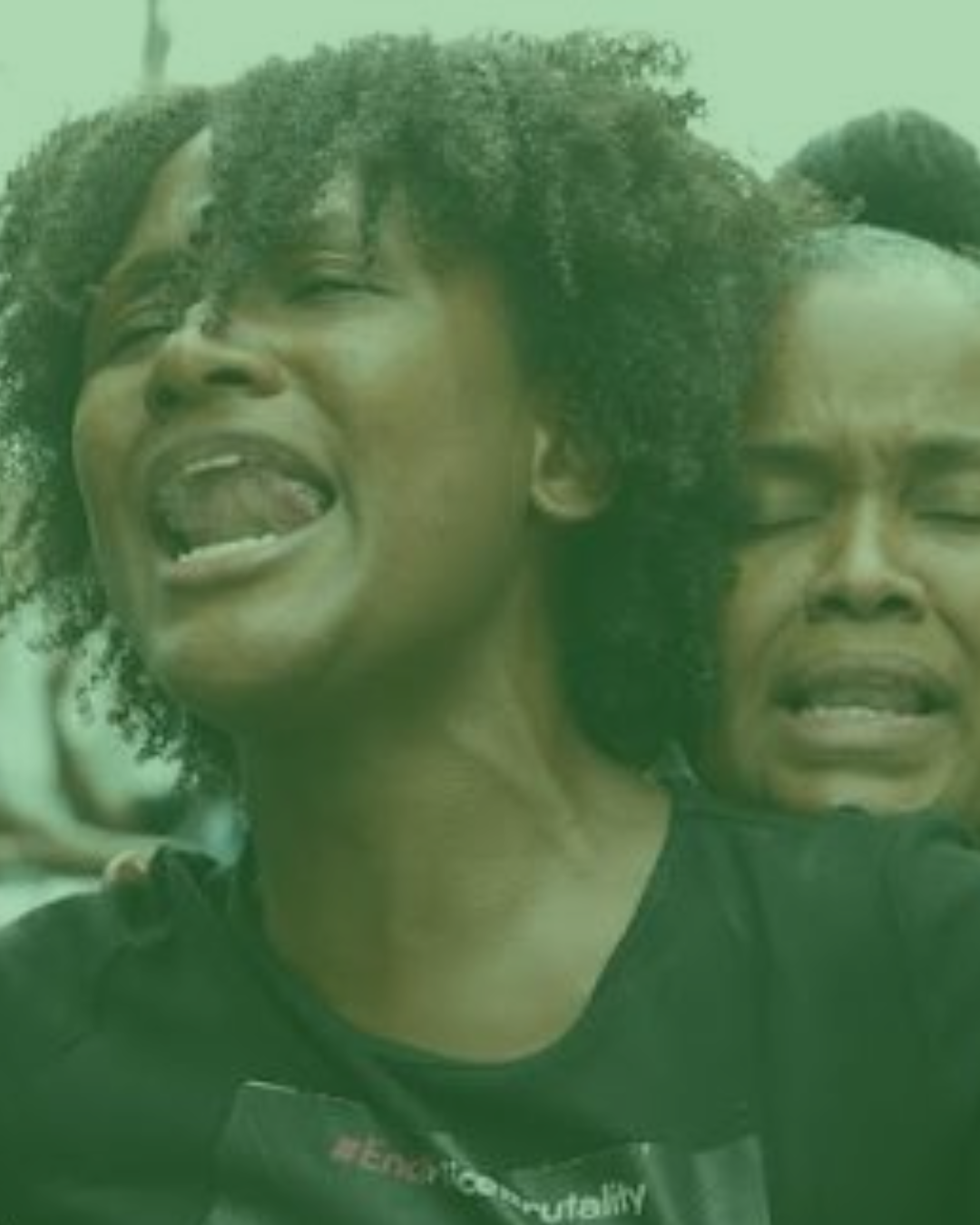
The Labour Day arrest was particularly egregious. Police in tactical gear surrounded Phillip and her mother, escorting her into a police vehicle. The stated justification that Phillip could not join the march because she was not part of a trade union has been universally dismissed as "nonsense" by trade union leaders, who note that Phillips was invited to participate as Labour Day celebrations have always welcomed all citizens.
Alyssa Phillip, Sealy's former schoolmate, has organized nineteen protests demanding transparency and accountability for the January 20 police involved shooting that left Joshua Samaroo dead and Kaia Sealy critically injured. Sealy, a mother and hairstylist with no criminal background, has been extradited from the U.S. and charged with manslaughter and shooting with intent. The movement's supporters have rightly framed this as a struggle for justice, human rights, democracy, and national accountability, issues that transcend narrow legal technicalities and speak to the fundamental principle that no institution should be above accountability.
The recent arrest of Phillip is part of a broader pattern of suppression that began with the introduction of "no-protest zones" under the State of Emergency is part of a broader pattern of suppression that, critically, was intensified during the period when Trinidad served as a launchpad for the U.S. military buildup against Venezuela, as the government's permission for U.S. military access and joint exercises in late 2025 signaled a deepening alignment with U.S. strategic interests that coincided with heightened domestic security measures. These measures, which prohibit protests within 500 meters of 15 key state institutions, were enacted shortly after protests linked to the Samaroo-Sealy matter gained momentum. In fact, Phillip and her mother were previously arrested and granted TT$10,000 bail on charges of "disorderly behavior" and "influencing public opinion in a manner prejudicial to public safety" under the Emergency Powers Regulation, charges that chillingly criminalize the very act of speaking out.
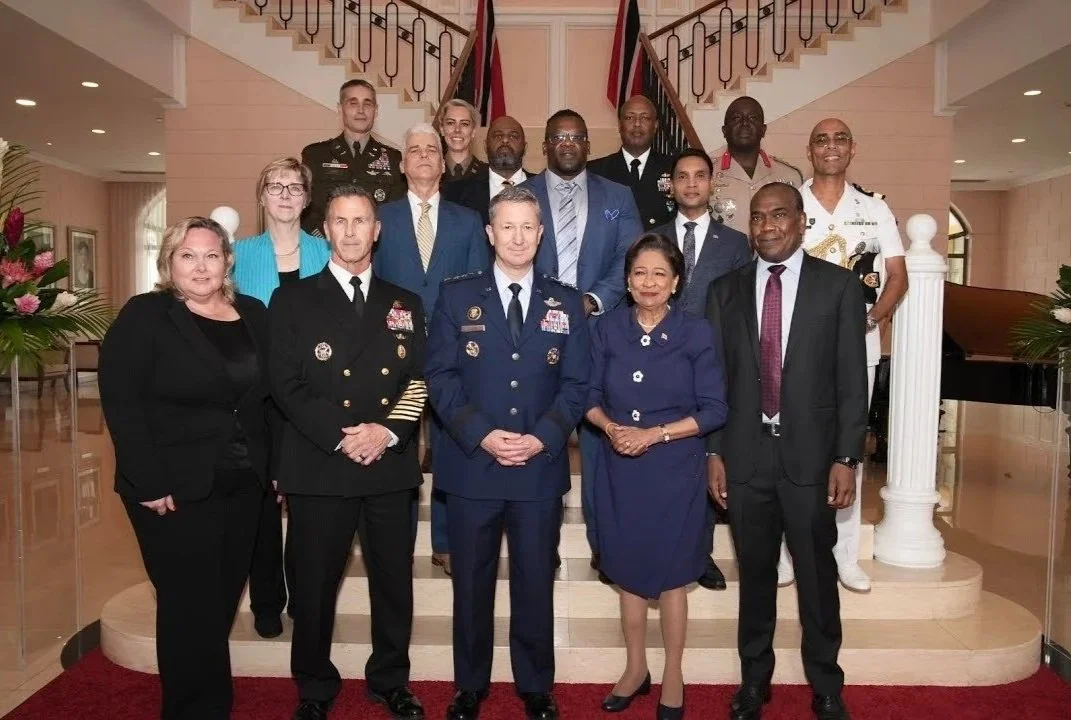
This is intimidation pure and simple - an attempt to silence a voice that authorities find inconvenient. The arrest must also be understood within the broader context of the government's wholesale embrace of U.S. foreign policy and security frameworks. Since taking office, the UNC government has hitched Trinidad and Tobago's fortunes to the United States, mirroring its rhetoric and supporting its most controversial geopolitical decisions.
The Prime Minister has openly praised U.S. military operations in the Caribbean, declaring that "all drug traffickers should be killed violently," and has welcomed the expansion of U.S. military presence in the region, including the installation of a military-grade radar system in Tobago. The alignment of Trinidad’s government with U.S. positions on Venezuela, Cuba, and Iran, moving in lockstep to designate Hezbollah, Hamas, the IRGC, and Tren de Aragua as terrorist entities while intensifying domestic no-protest enforcement during the military buildup against Venezuela, renders those adopted positions complicit in policies recognized as constituting crimes against humanity, war crimes, and violations of the UN Charter, particularly when such designations and security measures serve to criminalize dissent and facilitate foreign military objectives under the guise of national security. The government has even distanced itself from Caricom's historic stance of neutrality and the "Zone of Peace" principle, calling the regional body an "unreliable partner".
This subservience to American interests has consequences for domestic political legitimacy and national sovereignty. The securitized approach prioritizing law enforcement and restriction over accountability and fundamental human rights mirrors the very approach the U.S. has exported globally. The suppression of protest under the guise of "security" is a reflection of this alignment. When a government embraces external power dynamics that prioritize order over justice and human rights, domestic dissent becomes the first casualty.
The people of Trinidad and Tobago deserve better. We stand in solidarity with Alyssa Phillip and all those who refuse to abandon truth, justice, and people(s)- centered human rights.